


%22%3E%3Cpath%20fill%3D%22%23012169%22%20d%3D%22M0%200h30v20H0z%22%2F%3E%3Cpath%20d%3D%22m0%200%2030%2020M30%200%200%2020%22%20stroke%3D%22%23fff%22%20stroke-width%3D%224%22%2F%3E%3Cpath%20d%3D%22m0%200%2030%2020M30%200%200%2020%22%20stroke%3D%22%23c8102e%22%20stroke-width%3D%221.4%22%2F%3E%3Cpath%20d%3D%22M15%200v20M0%2010h30%22%20stroke%3D%22%23fff%22%20stroke-width%3D%226%22%2F%3E%3Cpath%20d%3D%22M15%200v20M0%2010h30%22%20stroke%3D%22%23c8102e%22%20stroke-width%3D%223.5%22%2F%3E%3C%2Fg%3E%3C%2Fsvg%3E)


Around Rabat
Change the scenery for half a day or a full day. Six ideas combining heritage, gardens, ocean and nature, to choose around your pace and transport.
6 outings in your selection
Salé, from the medina to the Bouregreg
Cross the river to discover a city with a rhythm of its own. Focus on the medina and the Marinid madrasa, then add a walk towards the Bouregreg if you want a longer outing.
- Suggested time on site
- Half a day on site
- Reference point
- Marinid madrasa of Salé
Plan this outing
A city shaped by centuries of history
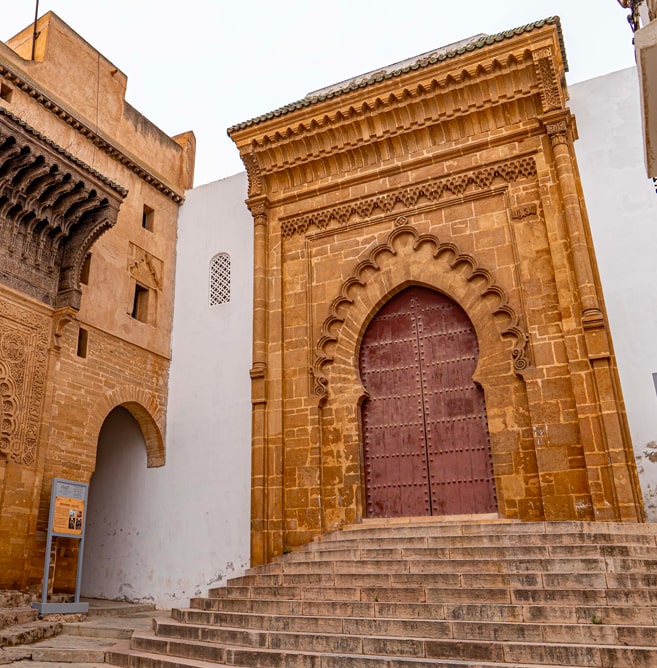
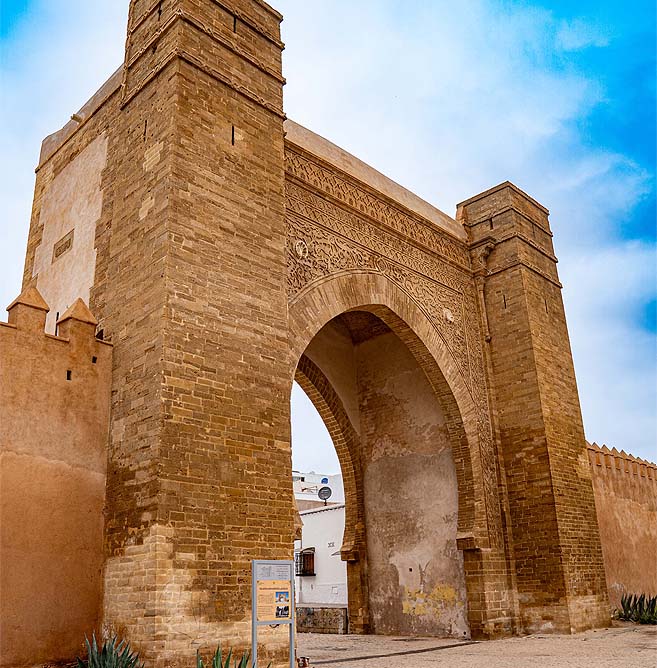
On the right bank of the Bouregreg, Salé grew as a centre of trade and learning. Its fourteenth-century madrasa reflects the Marinid period. Bab el-Mrissa, a thirteenth-century maritime gate once linked to the river by a canal, recalls the city’s former port activity.
What to look for
Inside the madrasa, slow down to examine the zellige tiles, carved plaster and cedar woodwork. The medina is also a living neighbourhood: souks, workshops and everyday streets are part of the discovery. This itinerary does not depend on access to places of worship.
Our half-day in Salé
- Begin with a walk through the medina and its souks, without trying to cover every lane.
- Continue to the madrasa for an interior visit if it is open.
- Add Bab el-Mrissa, then a break by the Bouregreg or marina if you have the energy. With children, shorten this final stage.
Getting there from Rabat
The Rabat–Salé tram crosses the river. Use the operator’s map to choose a station, then check the walk to the medina. If taking a taxi, specify a gate or clear drop-off point, as not every lane is accessible by car. Plan the return using our transport guide.
Opening, budget and comfort
Visit Rabat lists the madrasa as open daily, 09:30–16:30; confirm before travelling. It does not state an admission price, so ask on arrival. Budget separately for transport, any entry charge and meals. Wear comfortable shoes, allow time for breaks and ask before photographing people.
Information checked on 17 October 2026. Programme and duration are editorial suggestions, excluding travel.
The Exotic Gardens of Bouknadel
A green break north of Salé, best explored without rushing. The garden settings change as you walk: choose this outing for observing plants and sharing a visit with children.
- Suggested time on site
- 2–3 hours on site
- Reference point
- Exotic Gardens entrance
Plan this outing
A garden created in 1951
Horticulturist Marcel François created the Exotic Gardens in 1951; they opened to the public in 1961. Following rehabilitation begun in 2002, they reopened in 2005. The project combines botanical discovery, designed landscapes and environmental education.
What to discover
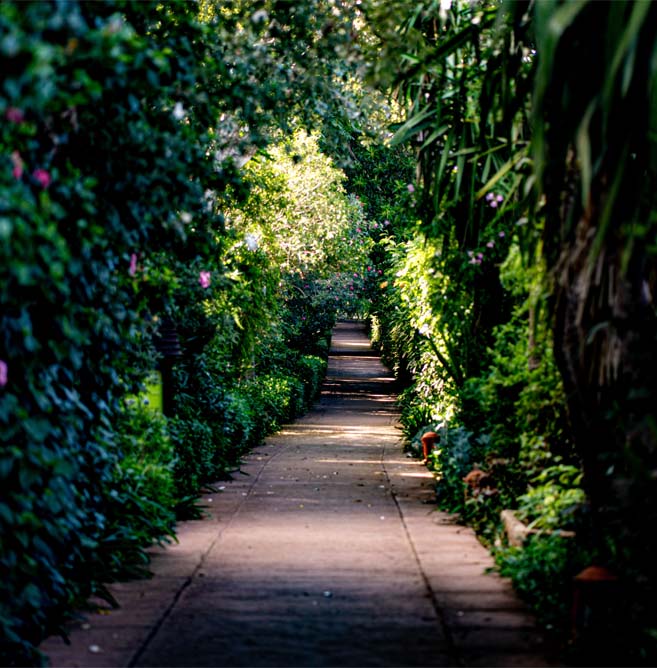
The atmosphere changes between settings inspired by tropical regions and Japanese, Chinese or Andalusian gardens. Rather than rushing through every space, notice the foliage, shade and the way passages shape the walk. Ask reception which areas, museum and vivarium are accessible on the day.
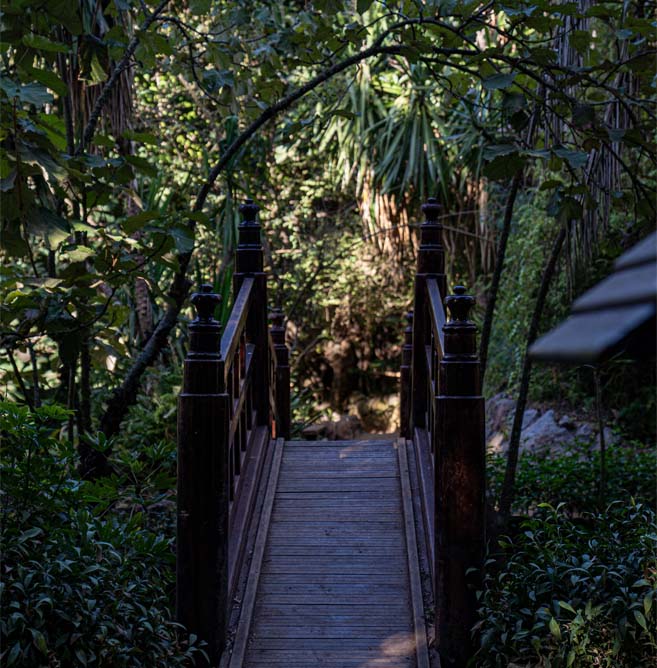
Our programme, in 2–3 hours
- Choose a few gardens and explore at your own pace, stopping to observe the plants.
- With children, look for three leaf shapes or different textures without picking anything.
- Allow time for the educational route and a break, depending on which areas are open. Set aside half a day when including travel.
Getting there from Rabat
The gardens lie north of Salé on the road towards Kénitra. Use the entrance point shown on the map. If travelling by car or taxi, arrange the return as well. With public transport, check the current service and the final stretch to the entrance; our transport guide helps you plan connections.
Published hours and prices
October–March: tickets 09:30–17:30, gates close 18:00; April–September: 09:00–18:30, closing 19:00. Mondays open at 10:00. The gardens, vivarium and museum package is 20 DH per adult or 60 DH for a family (parents and two children). Check child conditions and holiday closures on the official website.
Families and accessibility
Take care with young children on bridges and narrow passages. For a pushchair or wheelchair, contact reception to choose a suitable route. Bring water, steady footwear and protection against rain or sun according to the season.
Information checked on 17 October 2026. Programme and duration are editorial suggestions, excluding travel.
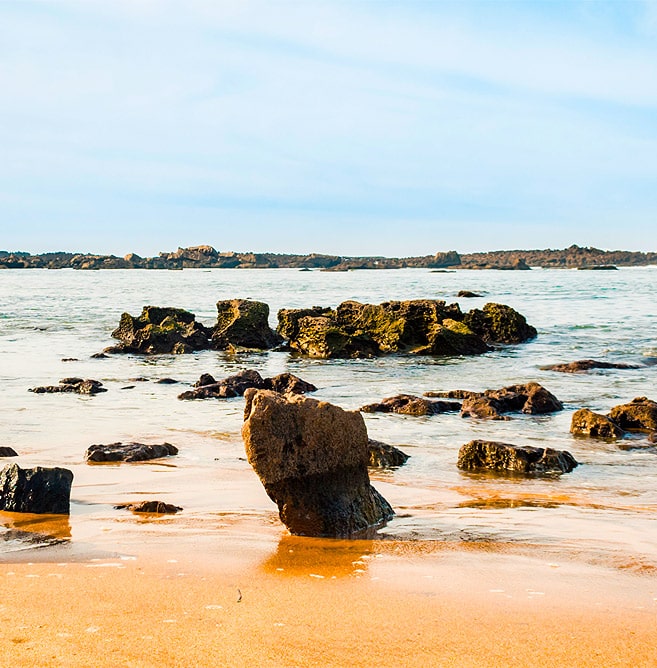
Harhoura, a coastal break
South of Rabat, an outing for walking near the Atlantic and slowing down the day. Choose a precise meeting point: Harhoura covers a wider area than a single beach.
- Suggested time on site
- 2 hours to half a day on site
- Reference point
- Harhoura beach
Plan this outing
A coast with a much older history
The Témara coast contains prehistoric sites studied by archaeologists. Research at El Harhoura 2 documents ancient human occupations and environmental changes. This heritage long predates the present seaside resort. Public access to the cave has not been confirmed, so it is not included in our visitor itinerary.
Why make this outing?
South of Rabat, the scenery combines beaches, rocks and wooded areas close to the coast. The appeal is taking time to watch the Atlantic: a walk, photographs and a break can be enough. Choose a specific beach and meeting point rather than relying on the name “Harhoura”.
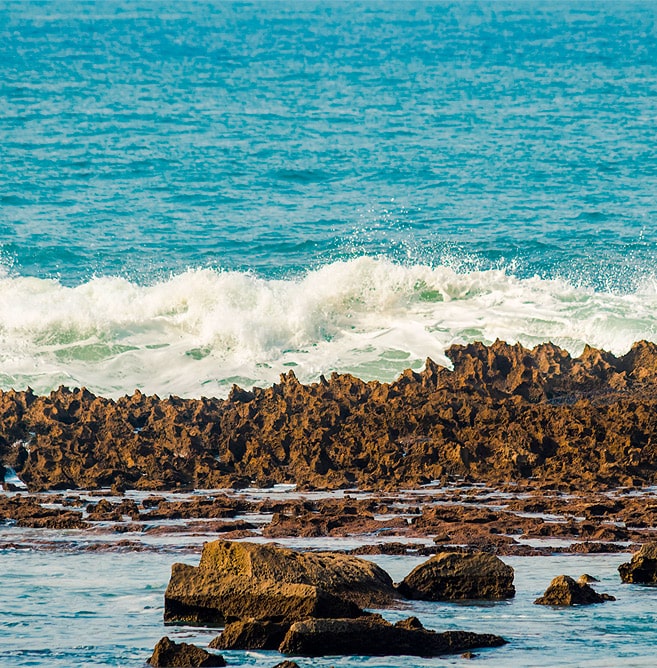
Our programme, from 2 hours to half a day
- Start with a stretch of seafront whose access and walking surface suit your group.
- Take a short out-and-back walk, stopping to enjoy the scenery. Avoid wet rocks and areas exposed to breaking waves.
- Add a café stop or meal if you wish, after checking opening and prices. Keep the return straightforward, especially around dusk.
Getting there from Rabat
By car, identify the beach access and permitted parking without blocking residents. By taxi, agree on the drop-off and return point. If taking a bus, check the current route and final walk before leaving; see our transport guide. Journey times vary with your starting point and traffic.
Budget and preparation
Budget separately for transport, any parking and food: there is no single cost for every outing. With children, choose a short route and keep them close. Bring water, sun protection and a layer against the wind. Check weather, tides and local instructions; for swimming, follow beach flags and lifeguard guidance.
Information checked on 17 October 2026. Programme and duration are editorial suggestions, excluding travel.
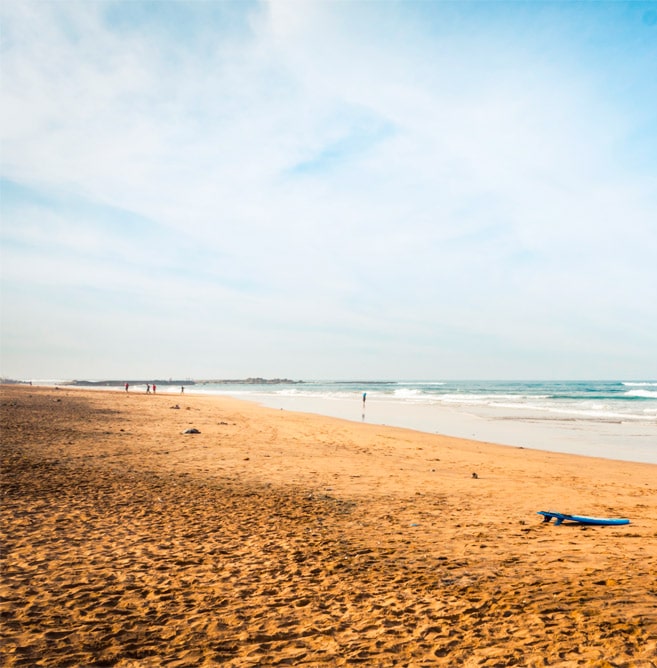
Skhirat, a day by the beach
A destination south of Rabat for giving the coast more time. Enjoy a single stop with a walk and a break rather than filling the day with transfers.
- Suggested time on site
- Half a day to a full day on site
- Reference point
- Skhirat beach
Plan this outing
History & context
Skhirat forms part of the coastal belt south of the capital. Distinguish the town centre from the beach area: that difference matters when planning your journey and arrival point.
Our suggested programme
Plan an out-and-back walk by the beach, a shaded break and lunch only after checking which venues are available. For a relaxed outing, keep the afternoon flexible instead of setting several tight appointments.
Getting there
By car or taxi, specify Skhirat beach. If considering the train, first check services and the return journey in ONCF’s planner, then arrange the local connection between the station and the coast. The station is not a beach arrival point.
Before you go
Choose the outing around the weather and sea conditions. Check access, parking and prices before ordering or renting equipment. Lifeguarding and other services can vary with the season.
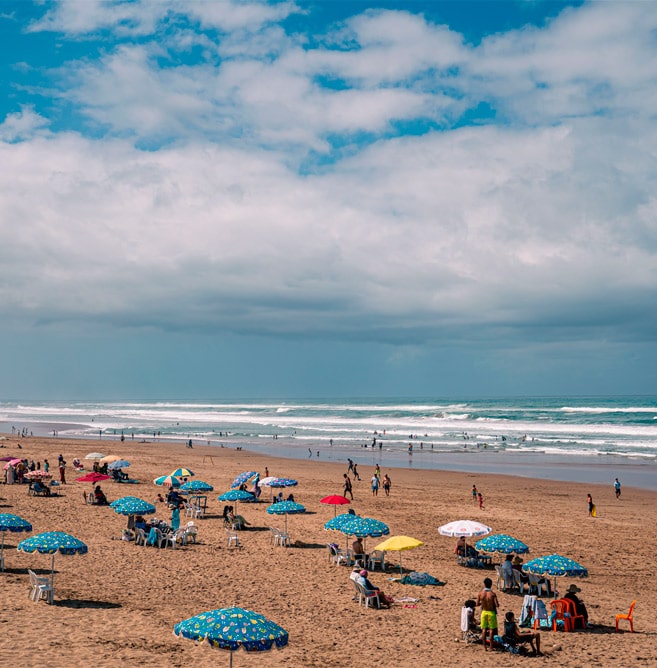
Mehdia, beach and estuary
Head further north for a coastal walk and a different atmosphere from Rabat’s beaches. Allow a full day if adding a cultural or nature stop around Mehdia.
- Suggested time on site
- A day, depending on your stops
- Reference point
- Mehdia beach
Plan this outing
History & context
Mehdia’s kasbah is separate from the beach and overlooks the Sebou estuary. Its position reflects the estuary’s strategic importance. Plan it as a separate stop if you want to add heritage to the coastal outing.
Our suggested programme
Start at the beach, then choose between a longer break, the kasbah surroundings or Sidi Boughaba. Avoid combining all three without allowing for local transfers and access conditions.
Getting there
By car, choose a precise arrival point in Mehdia. Without a car, look into a train to Kénitra followed by a local connection to the beach. Check ONCF times and arrange the journey back from Mehdia before setting off.
Before you go
Surfing and other activities depend on conditions and the operators present. Ask about prices, supervision and equipment before booking. For a simple walk, choose an accessible area and follow beach instructions.
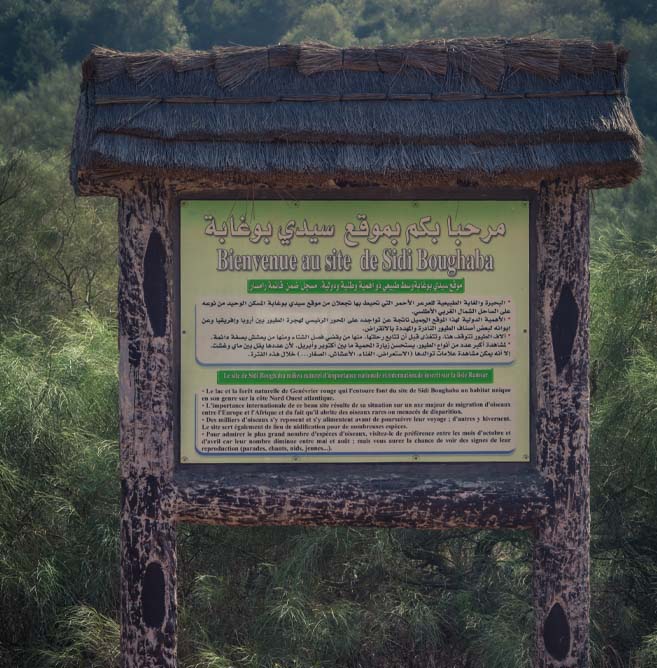
Sidi Boughaba, a nature escape
Near Mehdia, an outing for slowing down and observing a wetland landscape. Choose it for walking and watching birds, and distinguish it from the similarly named beach.
- Suggested time on site
- 2–3 hours on site
- Reference point
- Sidi Boughaba lake reference point
Plan this outing
History & context
Merja Sidi Boughaba has been listed as a Ramsar site since 1980. This coastal wetland matters for waterbirds. Its value lies in the ecosystem rather than a range of leisure facilities around a developed lake.
Our suggested programme
Choose a short walk along permitted paths. Stop at a distance to observe birds, using binoculars if available. A quiet visit is better than a long route that disturbs wildlife.
Getting there
Identify the permitted reserve access and plan the return towards Rabat or Kénitra. The map point locates the lake; it does not guarantee an open entrance or an accessible path from every road. Check access before travelling.
Before you go
Stay on permitted paths, do not feed wildlife and take your rubbish away. Check local instructions on opening and activities. Bring water and suitable shoes. Seeing a particular bird species can never be guaranteed.
Information and sources consulted on 15 October 2026. Programmes and durations are editorial suggestions. Check opening times, access, transport and sea conditions before leaving.