Why visit
The Museum of History and Civilisations places Morocco’s monuments in a longer story, from prehistory to Islamic periods. Objects complement archaeological sites and provide another way to understand the societies that succeeded one another.
A brief history
The collections began with archaeological excavations undertaken from 1915. The core building was constructed in the 1920s for the Antiquities Service. Rabat’s former archaeological museum was transferred to FNM in 2014 and renovated. It reopened in April 2017 as the Museum of History and Civilisations. This evolution explains its present role: interpreting Morocco’s successive periods through objects, from prehistory to Islamic eras.
The chronological collections
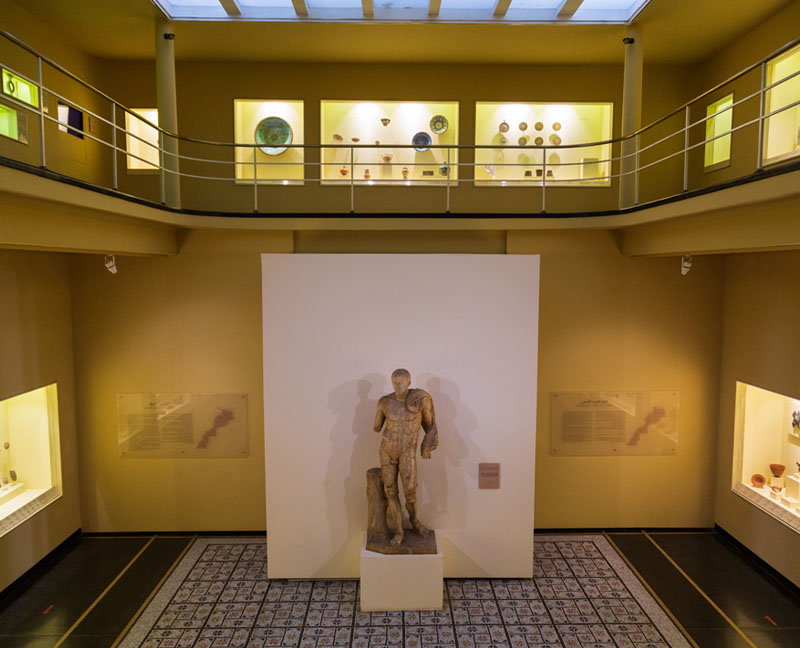
FNM describes a route through prehistory and Punic, Roman and Islamic periods. Collections include bronzes, ceramics, marble, coins and inscriptions. Named ancient bronzes include Juba II, Cato and ephebes. Read each object’s period, function, material and findspot to connect it with its context.
Suggested route and duration
Begin at the start of the chronology and choose a few objects for closer study. Allow 1–1½ hours. If also visiting Chellah, treat it as a separate experience with its own ticket and conditions, not an automatic extension of museum admission.
Address and hours
The address is 23 rue El Brihi in Hassan. FNM lists 10 am–6 pm, closed Tuesdays. Locate the entrance on Maps and allow enough time before the end of the day.
Tickets and reductions
Adult admission is listed at 20 DH. Some young-visitor labels overlap in the official table; confirm the appropriate child price with reception. Check FNM’s general free-admission and reduction conditions and bring required documents.
Children and accessibility
Give children a small observation task: find a material or coin, or compare two representations. Focus on a few objects instead of memorising every period. Respect protective distances and photography rules. For groups or specific access needs, call 05 37 20 03 98.
Frequently asked questions
The museum covers civilisations in Morocco beyond Rabat alone. It is separate from the Mohammed VI Museum of Modern and Contemporary Art. No archaeological background is needed: follow the chronology and start with objects that attract you.
Sources and review date
Reference information reviewed on 14 October 2026. Visit durations and routes are editorial suggestions. Hours and prices can change; check the source before travelling.